Academics
St. John’s college of Pharmaceutical Sciences and Research is a prestigious Institution managed by Hospitaller Brothers of St. John of God.
Department of Pharmaceutical Chemistry
The Department of Pharmaceutical Chemistry is dedicated to imparting quality education and fostering research in the design, synthesis, analysis, and evaluation of pharmaceutical compounds. The department provides a strong scientific foundation in medicinal chemistry, pharmaceutical analysis, organic chemistry, biochemistry, and instrumental analytical techniques, enabling students to understand the relationship between the chemical structure of drugs and their therapeutic effects.
- Bachelor of Pharmacy (B. Pharm)
- Duration of Course : 4 Years

- Research and Development: To equip students with the skills to conduct research in drug discovery, formulation, and clinical trials.
- Pharmacy Practice: To prepare students to provide professional services such as drug
information, counseling, and pharmacy practice in hospital, community, or clinical settings. - Pharmacovigilance: To impart understanding of the importance of monitoring and managing
drug safety, as well as addressing adverse drug reactions. - Regulatory and Legal Aspects: To ensure students are knowledgeable about the
pharmaceutical laws, regulations, and ethical standards in different countries. - Communication Skills: To develop effective communication skills for interacting with
healthcare professionals, patients, and the public. - Interdisciplinary Knowledge: To provide a well-rounded education by integrating
knowledge from fields such as biochemistry, microbiology, and medical sciences.
Department of Pharmaceutics
- Diploma in Pharmacy (D. Pharm)
- Duration of Course : 2 Years
- Basic Pharmaceutical Sciences: To provide foundational knowledge in subjects such as pharmaceutical chemistry, biology, and pharmacology.
- Pharmacy Practice: To develop practical skills in the preparation, dispensing, and proper administration of medications.
- Patient Care: To train students to assist in patient counseling, provide drug information, and understand the role of pharmacy in healthcare delivery.
- Healthcare System Integration: To ensure that students understand the healthcare system and their role in working with other healthcare professionals.
- Ethical and Legal Knowledge: To familiarize students with the ethical guidelines, legal
regulations, and professional responsibilities within the pharmacy practice. - Community Service: To train students to work in various settings, including community
pharmacies, hospitals, and other healthcare institutions, serving the needs of the public.
Department of Pharmacology
- Diploma in Pharmacy (D. Pharm)
- Duration of Course : 2 Years
- Basic Pharmaceutical Sciences: To provide foundational knowledge in subjects such as pharmaceutical chemistry, biology, and pharmacology.
- Pharmacy Practice: To develop practical skills in the preparation, dispensing, and proper administration of medications.
- Patient Care: To train students to assist in patient counseling, provide drug information, and understand the role of pharmacy in healthcare delivery.
- Healthcare System Integration: To ensure that students understand the healthcare system and their role in working with other healthcare professionals.
- Ethical and Legal Knowledge: To familiarize students with the ethical guidelines, legal
regulations, and professional responsibilities within the pharmacy practice. - Community Service: To train students to work in various settings, including community
pharmacies, hospitals, and other healthcare institutions, serving the needs of the public.
Department of Pharmacognosy
- Diploma in Pharmacy (D. Pharm)
- Duration of Course : 2 Years
- Basic Pharmaceutical Sciences: To provide foundational knowledge in subjects such as pharmaceutical chemistry, biology, and pharmacology.
- Pharmacy Practice: To develop practical skills in the preparation, dispensing, and proper administration of medications.
- Patient Care: To train students to assist in patient counseling, provide drug information, and understand the role of pharmacy in healthcare delivery.
- Healthcare System Integration: To ensure that students understand the healthcare system and their role in working with other healthcare professionals.
- Ethical and Legal Knowledge: To familiarize students with the ethical guidelines, legal
regulations, and professional responsibilities within the pharmacy practice. - Community Service: To train students to work in various settings, including community
pharmacies, hospitals, and other healthcare institutions, serving the needs of the public.
Department of Pharmacy Practice
- Diploma in Pharmacy (D. Pharm)
- Duration of Course : 2 Years
- Basic Pharmaceutical Sciences: To provide foundational knowledge in subjects such as pharmaceutical chemistry, biology, and pharmacology.
- Pharmacy Practice: To develop practical skills in the preparation, dispensing, and proper administration of medications.
- Patient Care: To train students to assist in patient counseling, provide drug information, and understand the role of pharmacy in healthcare delivery.
- Healthcare System Integration: To ensure that students understand the healthcare system and their role in working with other healthcare professionals.
- Ethical and Legal Knowledge: To familiarize students with the ethical guidelines, legal
regulations, and professional responsibilities within the pharmacy practice. - Community Service: To train students to work in various settings, including community
pharmacies, hospitals, and other healthcare institutions, serving the needs of the public.
Meet our Talented Management
St. John’s College of Pharmaceutical Sciences & research is run by the Hospitaller Brothers Alias Medical Brothers Society, which is registered vide registration No.1-124/1981 under the Travancoor Cochin Society Registration Act, 1955.The Registered office of the society is situated in St. John’s Hospital Campus Kattappana, Idukki Distict, Karala State.
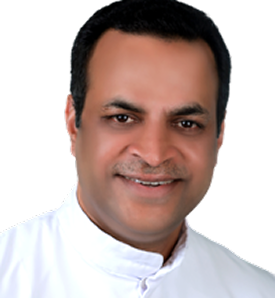
Bro. Baiju Valuparampil
Visionary leader guiding the institution with strong values, innovation, and commitment to excellence.

Br. Thomas Kanjiramoottil
Dedicated mentor supporting academic growth and ensuring quality education with care and discipline.

Br. Siby Kalluvettathu
Committed administrator fostering student success through guidance, integrity, and leadership.
What Our Alumni Say About Us
Testimonial
Aswin Shaji
Parents

Akaza H
Parents
Jitul
Parents
Blogs
Upcoming Events

Questions
FAQ
(01) What courses are offered at St. John’s College of Pharmaceutical Sciences and Research?
St. John’s College of Pharmaceutical Sciences and Research offers the following pharmacy programs:
Bachelor of Pharmacy (B.Pharm) – a 4-year undergraduate program focused on pharmaceutical sciences, drug formulation, and healthcare applications.
Diploma in Pharmacy (D.Pharm) – a 2-year diploma course designed to provide foundational knowledge and practical skills in pharmacy practice and patient care
(02) What is the eligibility for admission to B.Pharm and D.Pharm programs?
Yes. St. John’s College of Pharmaceutical Sciences and Research is approved by the Pharmacy Council of India (PCI) and AICTE, ensuring the highest standards of pharmaceutical education.
(03) How can I apply for admission?
(04) Is the college approved by PCI and AICTE?
Yes, the college is approved by the Pharmacy Council of India (PCI) and the All India Council for Technical Education (AICTE), ensuring that it meets the required standards for quality education and professional training.